
How to Prepare Your Camping Gear for Winter Storage(Even If You’re in a Tiny NYC Apartment)

Check out how we clean all our gear throughout the season in this quick video.
The 2025 camping season is officially coming to a close here at Basecamp Brooklyn — we’ve wrapped up our last weekend of rentals and are busy cleaning, drying, and packing up all our gear until next spring.
As we go through our own end-of-season checklist, we wanted to share a few tips that can help you do the same. Whether your tent’s still airing out from your last trip or you’ve got one more weekend planned before winter hits, a little care now will make next year’s first campout so much easier.
And if you need a little inspiration for that first adventure back out in the wild, check out our post:
👉 Why You Should Go Camping in Spring →
Tents & Shelters
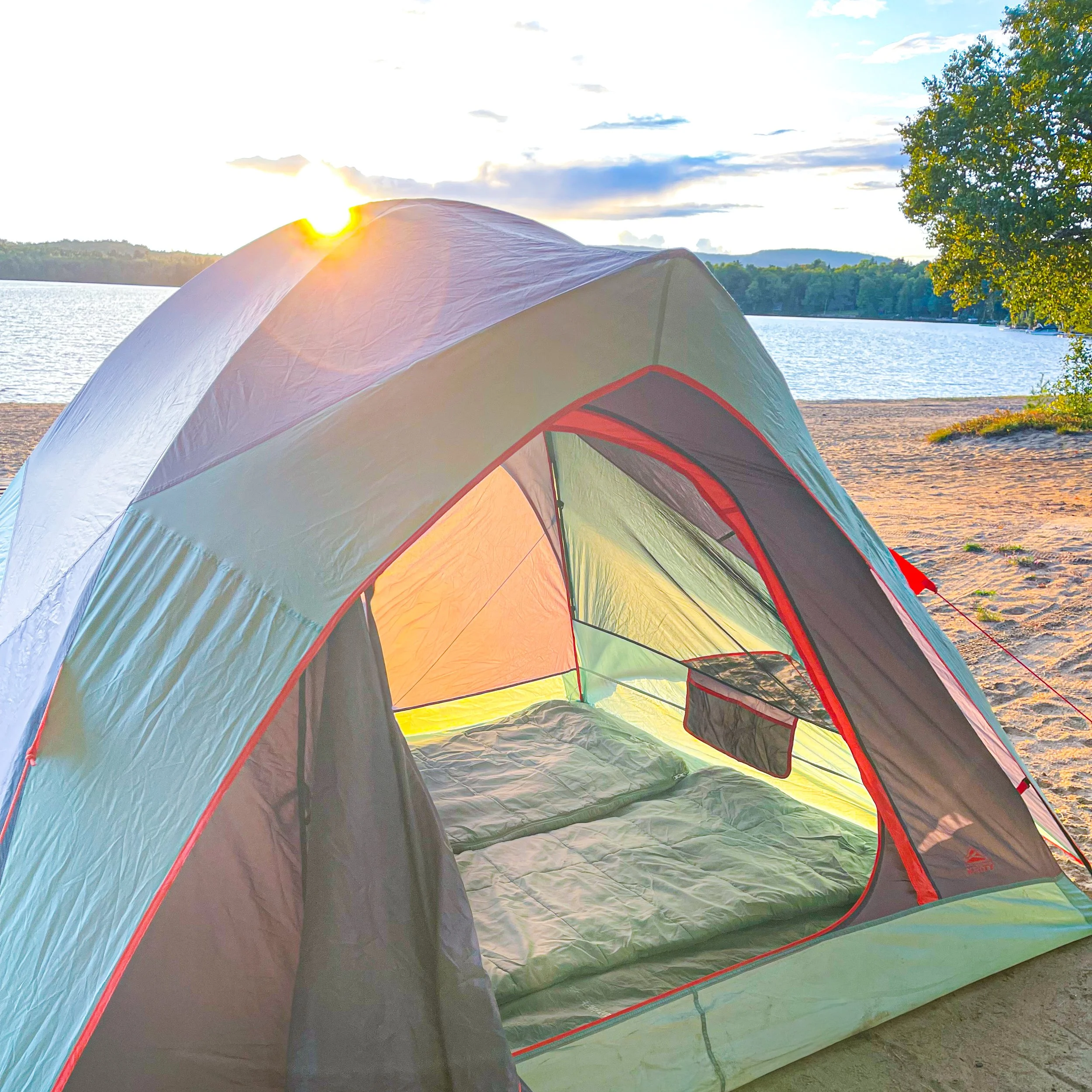
When you get home, shake out dirt, leaves, and any trail souvenirs. Spot-clean muddy spots with mild soap and water, and let your tent dry completely before stashing it away. This simple step prevents mildew and protects your tent’s waterproof coating for the long haul.
Best practice:
Set it up in your yard, on your balcony, or even in a sunny park for a few hours.
Store it loosely rolled or hung instead of tightly packed to protect the seams and coating.
Tiny-apartment workaround:
Hang it over your shower rod or door overnight — it’ll dry faster than you think.
Keep it in its stuff sack if you have to, but take it out once or twice over winter to air it out.
If you’ve got a storage unit, toss it in a mesh laundry bag for breathable storage.
Sleeping Bags & Pads
If your sleeping bag smells smoky or feels damp, it deserves a refresh. Follow the care tag — down and synthetic bags have different rules — and air-dry thoroughly (this part’s non-negotiable).
Best practice:
Store sleeping bags uncompressed in a large cotton or mesh sack, or hang them in a closet.
Store sleeping pads flat with valves open when possible.
Tiny-apartment workaround:
Use a big pillowcase or IKEA bag to keep your bag breathable and uncompressed.
Sleeping pads can stay loosely rolled and tucked into a closet corner.
If you use a storage unit, dedicate one clear bin to your “sleep system” — it keeps everything dust-free and easy to grab when the season starts again.
Cooking Gear

After your last cookout, give your gear some kitchen love. We all know the campsite or trail isn’t exactly conducive to a thorough scrub with hot water — so once you’re home for the season, those pots, pans, and utensils deserve an extra-deep clean.
Scrub everything thoroughly, wipe down your stove, and check for leaks or damage before you put it away.
Best practice:
Store fuel upright and away from heat or direct sunlight.
Keep cookware and utensils together in a bin or duffel so you can grab them all at once next year.
Tiny-apartment workaround:
If your camp cookware doubles as your everyday kitchenware, skip the separate storage and focus on organization instead.
Create a simple checklist of the items you always take camping — pots, utensils, lighter, cutting board, etc.
Or snap a few photos of your “camp kitchen setup” on your phone before you put things away.
That way, when spring rolls around, you’ll have an easy visual reference to gather everything again without wondering what you’re missing.
Keep Your Camping Kit Together
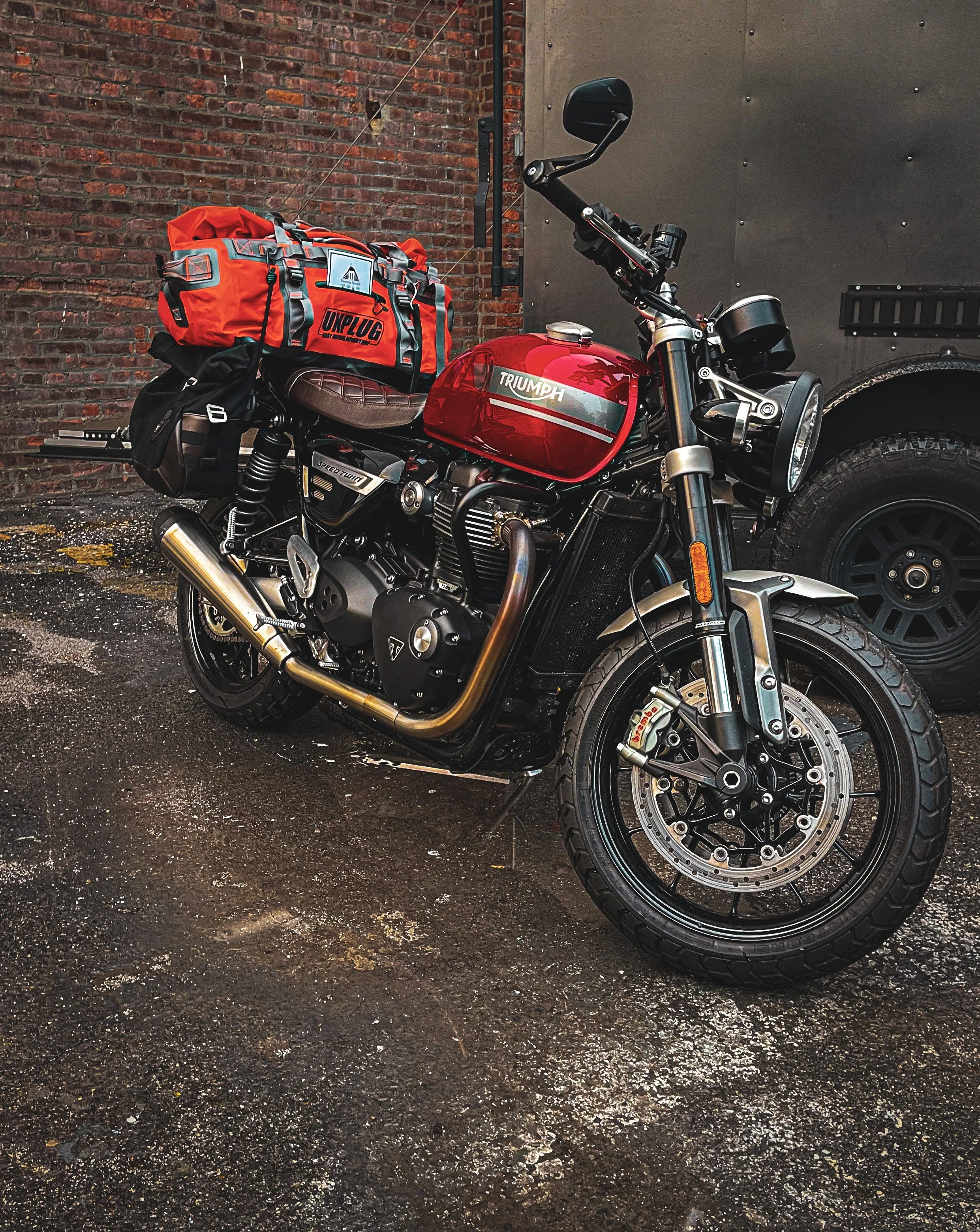
Once you’ve handled the kitchen side of things, take that same mindset and apply it to the rest of your gear. Whether you have a storage unit, a closet corner, or just one big duffel, the goal is to keep your core camping setup organized and easy to reassemble.
Why it matters:
You won’t waste time hunting for headlamps, stakes, or cookware next spring.
Everything has a home — which means fewer forgotten essentials and less pre-trip chaos.
You can take advantage of spontaneous good-weather weekends instead of repacking from scratch.
How to do it:
Choose one large bin, duffel, or backpack labeled Camping Kit for items that stay packed year-round.
Keep smaller items (lanterns, utensils, camp towels, etc.) together in mesh bags or clear pouches.
If your gear overlaps with your everyday life, keep that checklist or photo set handy — it’s your go-to reference when you’re packing again next season.
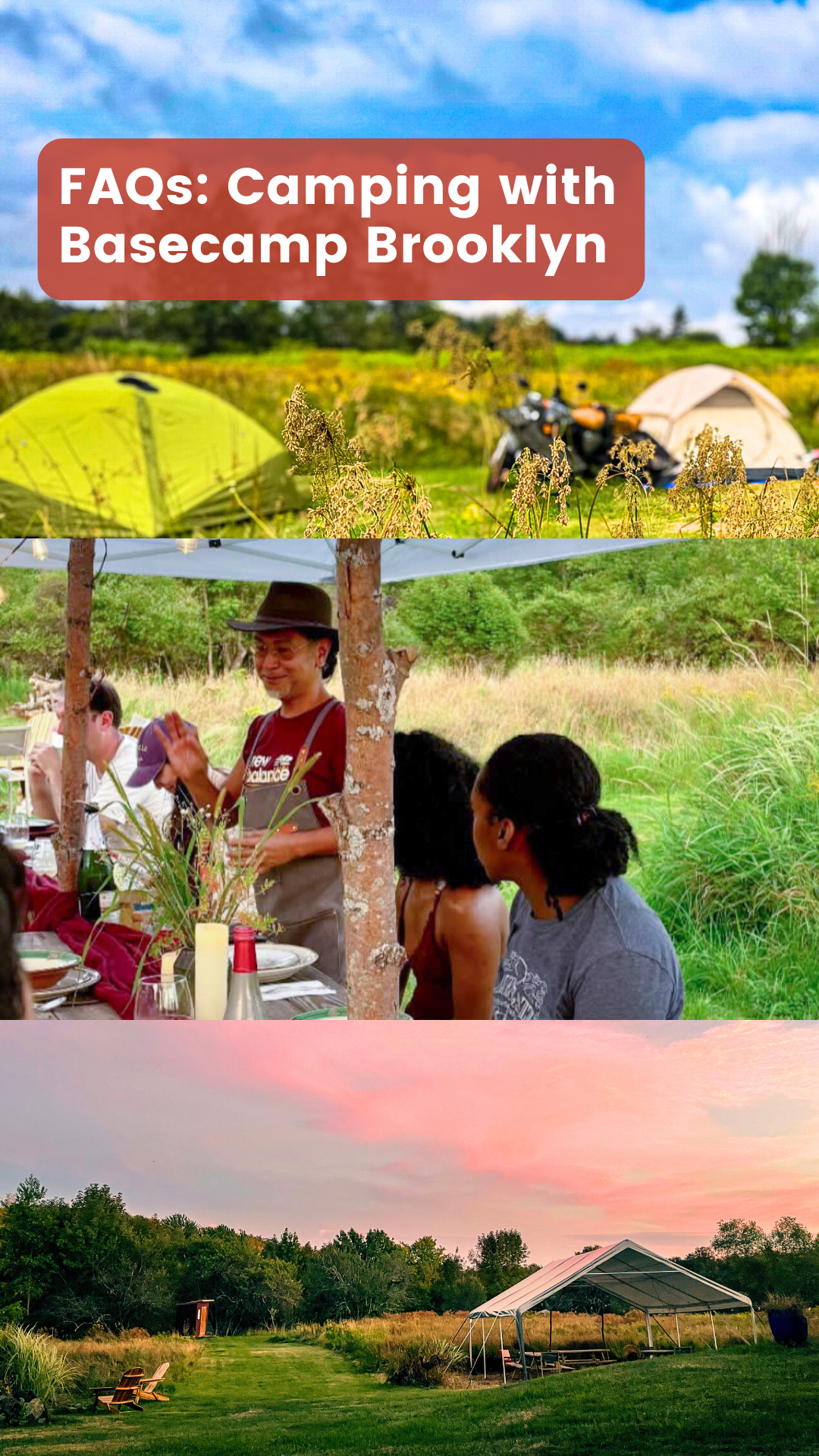
Even in a small NYC apartment, a single “camping kit” system makes a huge difference. It keeps the spirit of adventure alive while keeping your space uncluttered — the best of both worlds.
Once everything’s clean, dry, and organized, you can rest easy — your gear will handle the Brooklyn winter just fine.
Looking Ahead
A little effort now means big rewards later. When you unzip that tent next spring and it smells like sunshine instead of mildew, you’ll thank yourself.
If you’re already dreaming about next season’s adventures, make sure you’re on our email list — we’ll be announcing 2026 camping weekend dates and early access to our brand-new group camp spot opening next summer.
Be the first to know when tickets go live (and never miss a weekend under the stars again).
👉 Join the Wolfpack Email List →
👉 Why You Should Go Camping in Spring →
Keep Exploring