
Camping in a Heat Wave: What to Know Before You Go
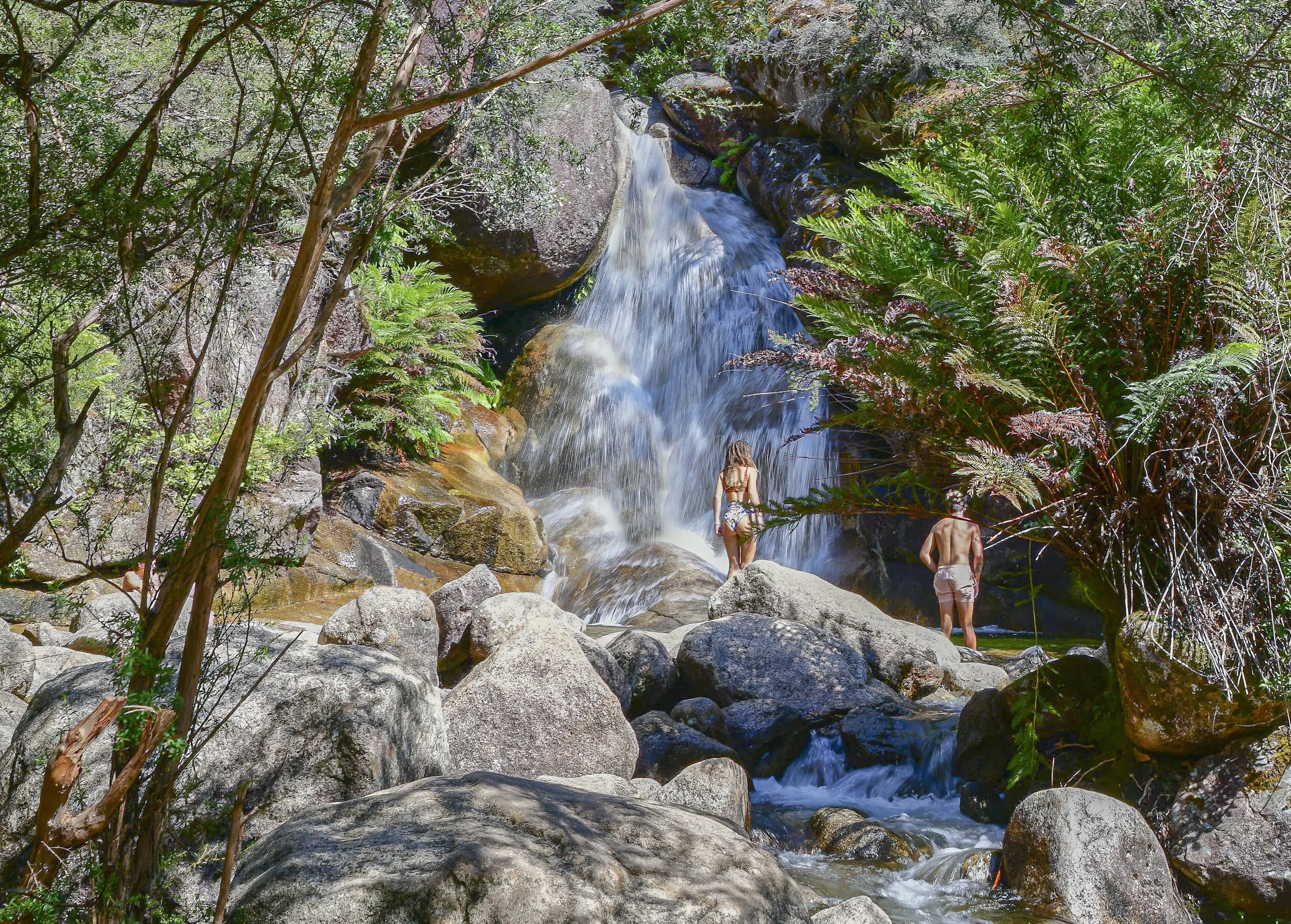
Summer is one of the most popular seasons for camping, especially for those trying it out for the first time over a long weekend. You’ve got a few days off, the swimming holes are calling, and a weekend outside can feel like the reset you’ve been craving after too much time in the city.
Heading upstate can often get you cooler temps than in NYC, but camping during a heat wave is still different from camping on a regular warm summer weekend.
Hot weather can be manageable with the right planning. Extreme heat, especially when it comes with high humidity and warm nights, can change the whole trip. It can affect how you sleep, how much energy you have, what activities are safe, how much water you need, and whether your campsite will actually feel enjoyable once you arrive.
So before you pack the car, pick up your rental gear, or head out for the weekend, it’s worth taking a closer look at the forecast and making a plan.
Here’s what to know before camping in a heat wave.
First: Should You Still Go Camping During a Heat Wave?
That depends — a heat wave does not automatically mean you have to cancel your camping trip, but it does mean you should be honest about the conditions, your campsite, your group, and the kind of weekend you were planning.
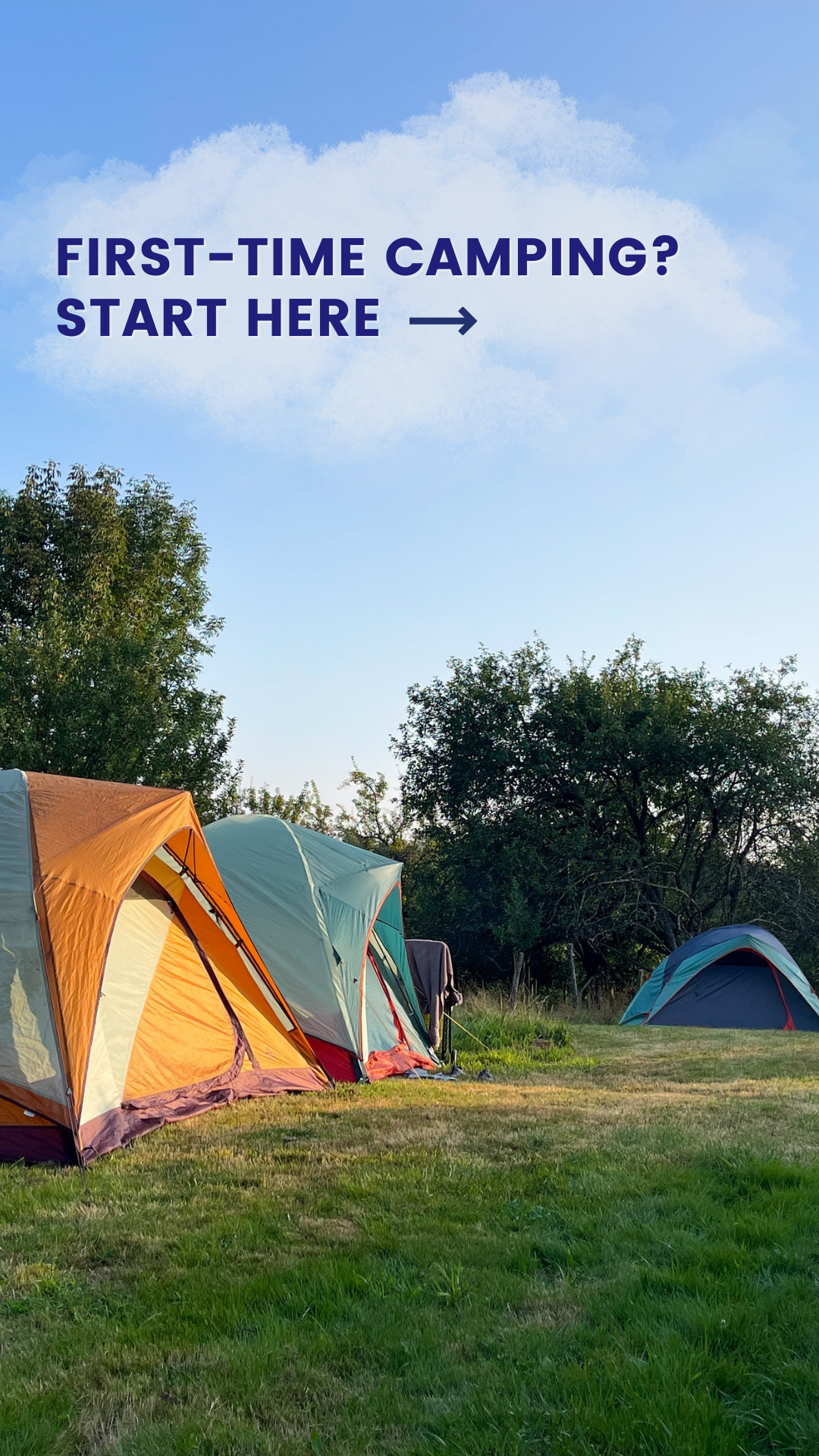
Camping during extreme heat is very different if you have a shady site near a lake or river than if you’re headed to an exposed campsite with no shade and no easy way to cool down. It also matters whether you were planning a low-key weekend of swimming and lounging or a packed itinerary of hiking, biking, cooking over a fire, and staying up late around the campfire.
Before you go, check:
The daytime high
The overnight low
The humidity
Whether there is a heat advisory, watch, or warning
How much shade your campsite has
Whether there is water access nearby
Whether you’ll have an easy way to leave, cool down, or adjust plans if the heat feels worse than expected
If you can’t confirm these details and you’re still concerned about the forecast, the best camping plan may be choosing a different weekend.
The biggest mindset shift is this: during a heat wave, the goal is not to power through your original camping plan. The goal is to adjust the weekend so you can stay safe and still enjoy being outside.
Check the Overnight Low, Not Just the Daytime High
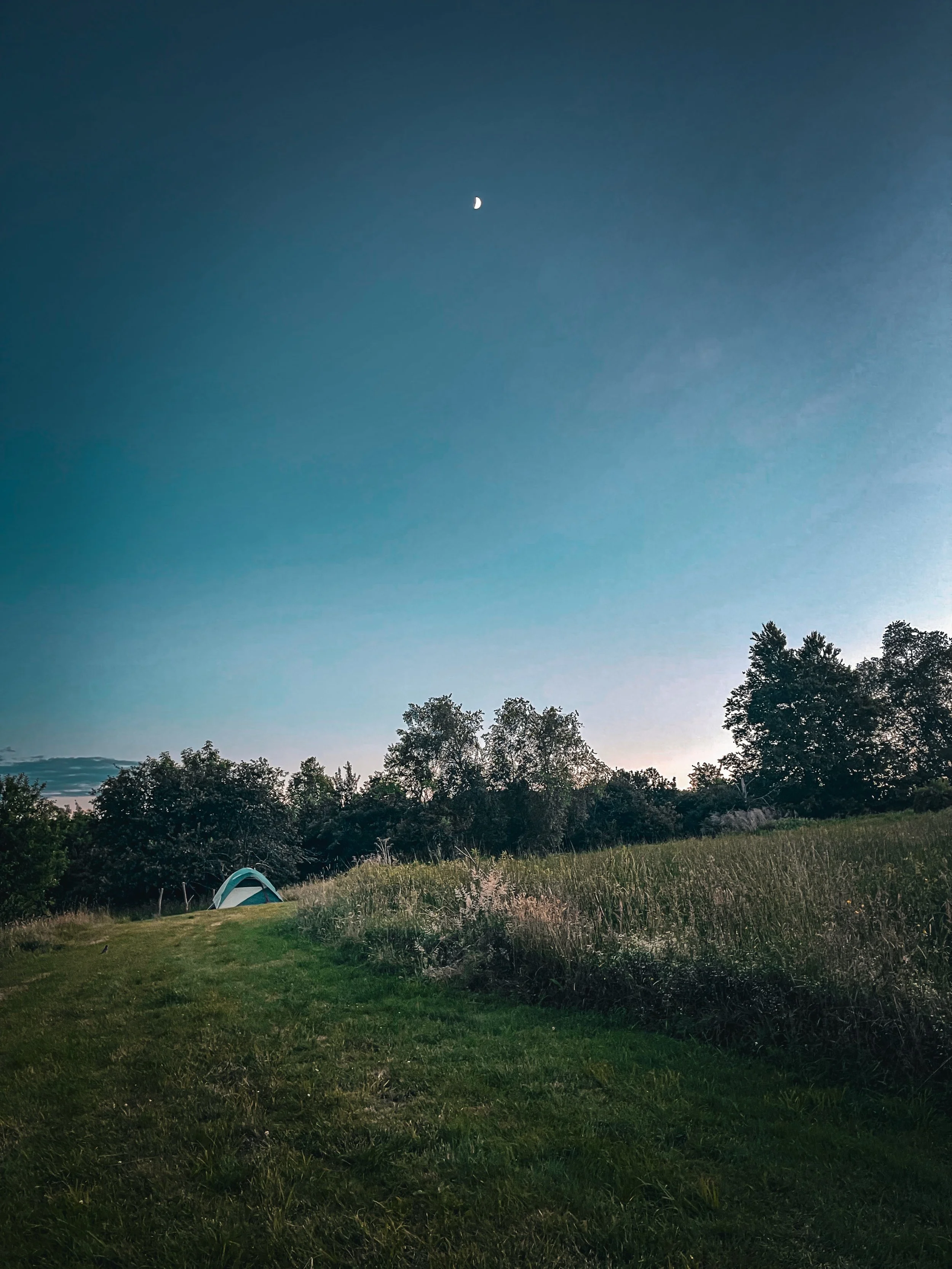
When most people check the weather, they look at the daytime high. But for camping, the overnight low matters almost as much.
If the temperature drops into the 60s, or even the low 70s with lower humidity, your body and your tent usually get some real relief after sunset. That cooling-off period can make a big difference in how well you sleep and how ready you feel for the next day.
But if the overnight low stays in the mid-to-upper 70s or around 80°F, especially with humidity, that is a different kind of camping trip. Your tent may stay sticky, your sleep may be restless, and your body may not get much of a break before the next hot day begins.
That lack of nighttime relief is one of the biggest signs that a “hot camping weekend” may be turning into an extreme-heat weekend. If the forecast shows very warm days and very warm nights, plan for a slower trip, more shade, extra water, and a backup plan if the heat feels worse than expected.
Do Not Count on Your Tent as a Cool Place During the Day

A tent is great for sleeping, changing clothes, and keeping your gear protected. But during a hot sunny day, it is usually not the place you want to hang out.
Even a well-ventilated tent can get hot quickly in direct sun. During a heat wave, your daytime “home base” should be outside the tent in shade, ideally somewhere with airflow.
Look for a campsite with tree cover, or bring your own shade setup if the campground allows it. A tarp, canopy, or shade shelter can make a huge difference, especially if your site gets full sun during the hottest part of the day.
If you arrive and your campsite is exposed, set up your sleeping area first, then create a shaded hangout zone where you can eat, read, play cards, drink water, and wait out the hottest hours.
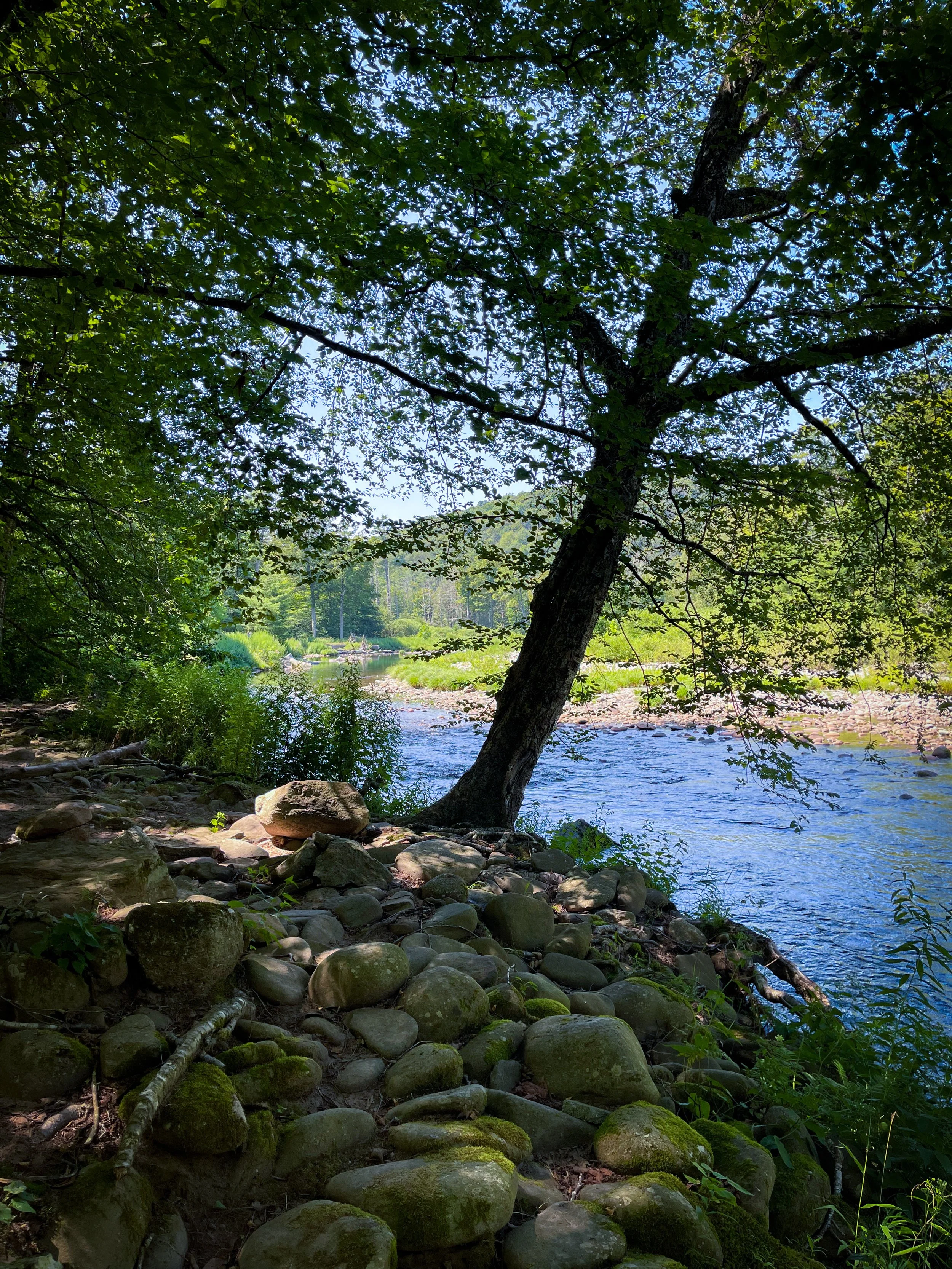
Plan Your Weekend Around the Heat
A heat wave camping trip should not have the same schedule as a crisp fall camping trip.
This is not the weekend for a long midday hike, an ambitious outdoor cooking project, or a packed adventure itinerary. Plan your day around the cooler hours.
Do more in the early morning. Rest during the hottest part of the afternoon. Save easy walks, swimming, and social time for later in the day.
A good heat wave camping rhythm might look like this:
Wake up early before the tent heats up.
Eat a simple breakfast.
Do your most active thing early, if you’re doing one at all.
Spend midday in shade or near water.
Keep lunch cold, easy, and low-effort.
Take it slow in the afternoon.
Cook simply in the evening, or choose no-cook meals.
Go to bed earlier than usual so you can wake up before the sun turns your tent into an oven.
This is one of those times when doing less usually makes the trip better.

Skip the Midday Hike
We love a good hike, but a heat wave is not the time to prove anything.
If you hike at all, go early, choose a shorter route, bring more water than you think you need, and avoid exposed trails with little shade. Make sure everyone in your group is on the same page before you start.
This is especially important if you are camping with kids, dogs, first-time campers, older adults, or anyone who is more sensitive to heat.
And if the forecast is extreme, skip the hike entirely. Swim, read, nap in the shade, explore a small town, visit a lake, or simply enjoy a slow day at camp. You do not have to earn your camping trip by exhausting yourself.
Remember: changing the plan does not mean wasting the weekend. A heat wave can be a perfect excuse to explore the slower, softer side of a camping trip. Spend the hottest part of the day wandering through a nearby small town, grabbing iced coffee, checking out an antique shop, visiting a farm stand, or finding a shady lunch spot before heading back to camp later in the day.
If you’re camping in the Catskills or Delaware River region, this is where a little local exploring can make the whole weekend better. We have guides to some of our favorite Catskills hidden gems and Delaware River Valley fun if you want ideas for a low-effort afternoon adventure.
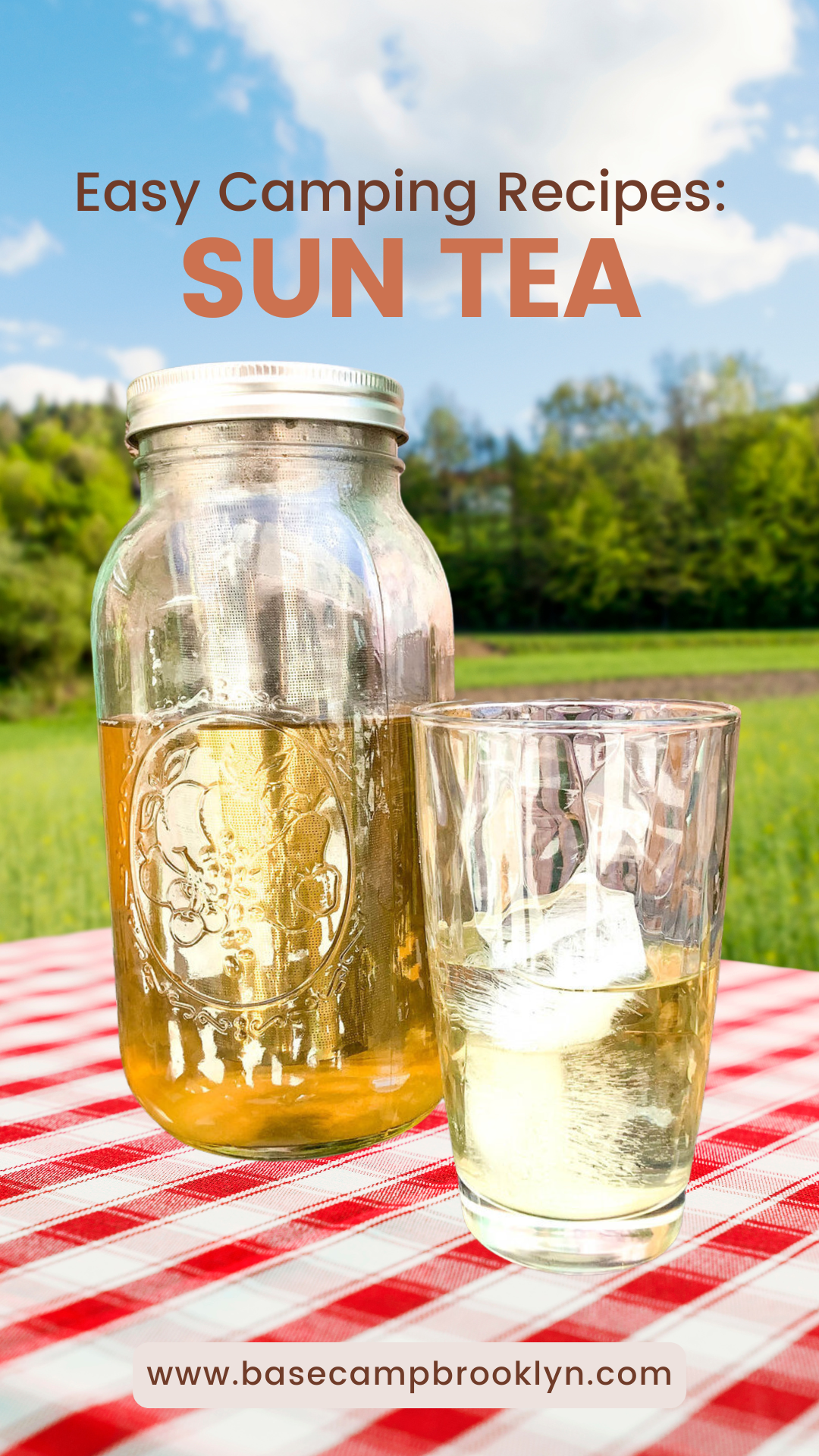
Bring More Water Than You Usually Would
Staying hydrated is always important when camping, but during a heat wave it becomes one of the main parts of your plan.
Do not assume your normal camping water setup is enough. Bring extra drinking water, and make sure you know where you can refill. If you are camping somewhere with potable water, locate the spigot or bathhouse early. If you are going somewhere more rustic, bring more than you think you’ll need.
Electrolytes can also be helpful when you’re sweating more than usual. Pack electrolyte supplements or drinks, especially if you’ll be walking, swimming, setting up camp in the heat, or spending a lot of time outdoors.
Also remember that coffee, alcohol, and salty snacks are not a hydration plan. You can still enjoy your camping treats, but keep water easy to reach all day.
Keep Meals Simple
A heat wave is not the ideal time for a heavy campfire meal at 2 p.m.
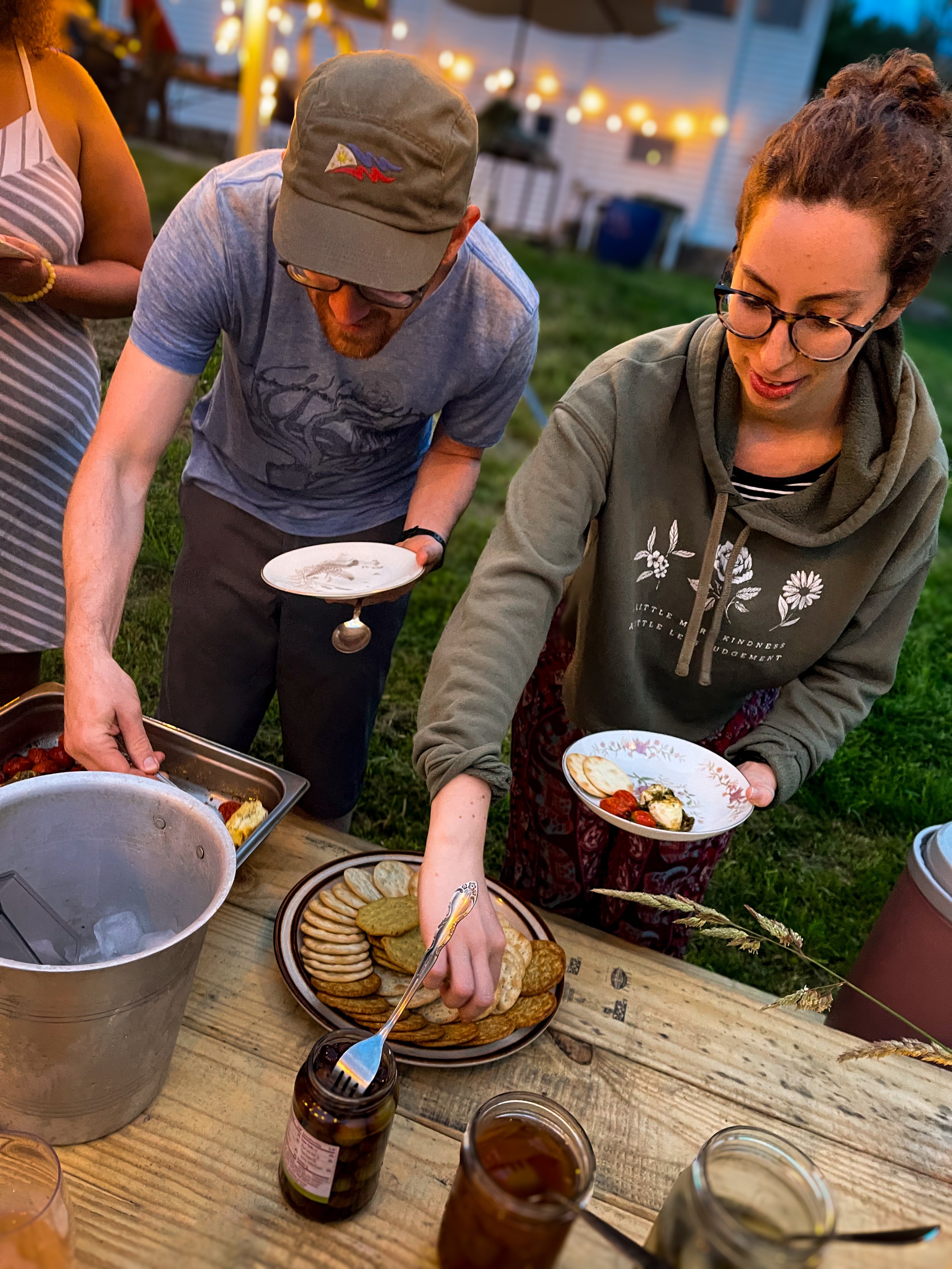
Think cold, fresh, simple, and low-effort. The less time you spend standing over a stove or fire during the hottest part of the day, the better.
Good hot-weather camping meals include:
Sandwiches or wraps
Hummus and veggie plates
Pasta salad
Mediterranean-style salads
Pre-cooked chicken
Fruit
Yogurt
Granola
Crackers and cheese
Cold noodle salads
Bagels and cream cheese
Anything you can prep at home and pull from the cooler
Save the cozy stews, soups, and long campfire cooking projects for fall.
If you do want to cook, keep it simple and aim for evening, when the temperature has dropped. And during a heat wave, there is no shame in building your weekend around snacks, salads, and swimming.
Dress for Heat, Sun, and Bugs

The right clothing can make a hot camping weekend feel much better.
Choose light-colored, loose-fitting clothing made from breathable or moisture-wicking fabrics. A wide-brimmed hat can help keep the sun off your face and neck, and sunglasses will make bright afternoons more comfortable.
You may also want a lightweight long-sleeve sun shirt. It sounds counterintuitive, but light sun-protective layers can be more comfortable than letting the sun beat directly on your skin all day.
And do not skip the sunscreen. You don’t want to add sunburn to an already hot camping experience. Apply it before you head out for the day, and reapply as needed, especially if you’re swimming, sweating, or spending hours outside.
Because summer camping often means bugs, especially near water or in wooded areas, pack clothes that help you stay covered when needed without overheating. You can also make your campsite more comfortable by creating a simple “no-bug zone” around your hangout area. We have a whole guide on that here: How to Create a No-Bug Zone at Your Campsite.
Use Water Strategically
If your campground has a lake, river, stream, beach, pool, or shower access, that may be the thing that makes a heat wave camping trip work.
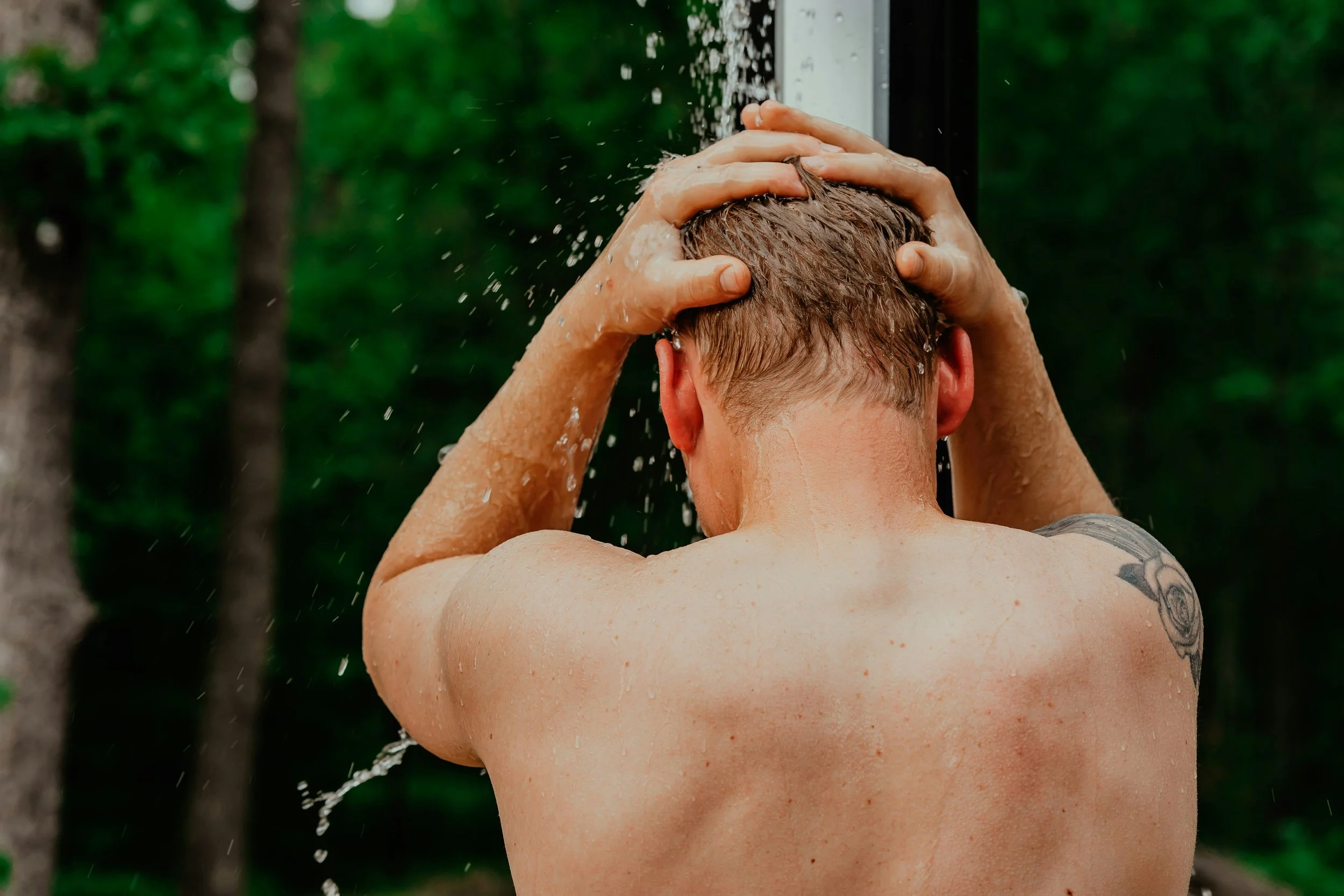
Take regular breaks to cool down. Swim when it’s safe. Splash water on your arms, neck, and face. Use a damp bandana or cooling towel. Keep a spray bottle nearby. Take a cool shower if your campground has one.
Cooling your body down during the day can make a big difference in how you feel by evening.
That said, only swim where it is safe and allowed. Heat can make people more impulsive, and unfamiliar water can be risky. Use good judgment, follow campground or park rules, and keep an eye on everyone in your group.

Make Your Sleep Setup as Cool as Possible
Hot-weather sleeping is its own camping skill.
Start by choosing the shadiest, breeziest tent spot available. If your site has options, avoid setting up in full afternoon sun. Open vents and mesh panels when weather allows, and use the rainfly in the most ventilated way your tent setup allows while still being prepared for rain.
You may not need to sleep inside your sleeping bag. On hot nights, many campers sleep on top of the bag with a light sheet or blanket nearby.
A battery-powered fan can also help, especially if the air is still. Even a small fan can make a tent feel more comfortable.
And if the night is truly hot and humid, be realistic. You may not get the best sleep of your life. Go to bed earlier, wake up earlier, and let the weekend move at a slower pace.
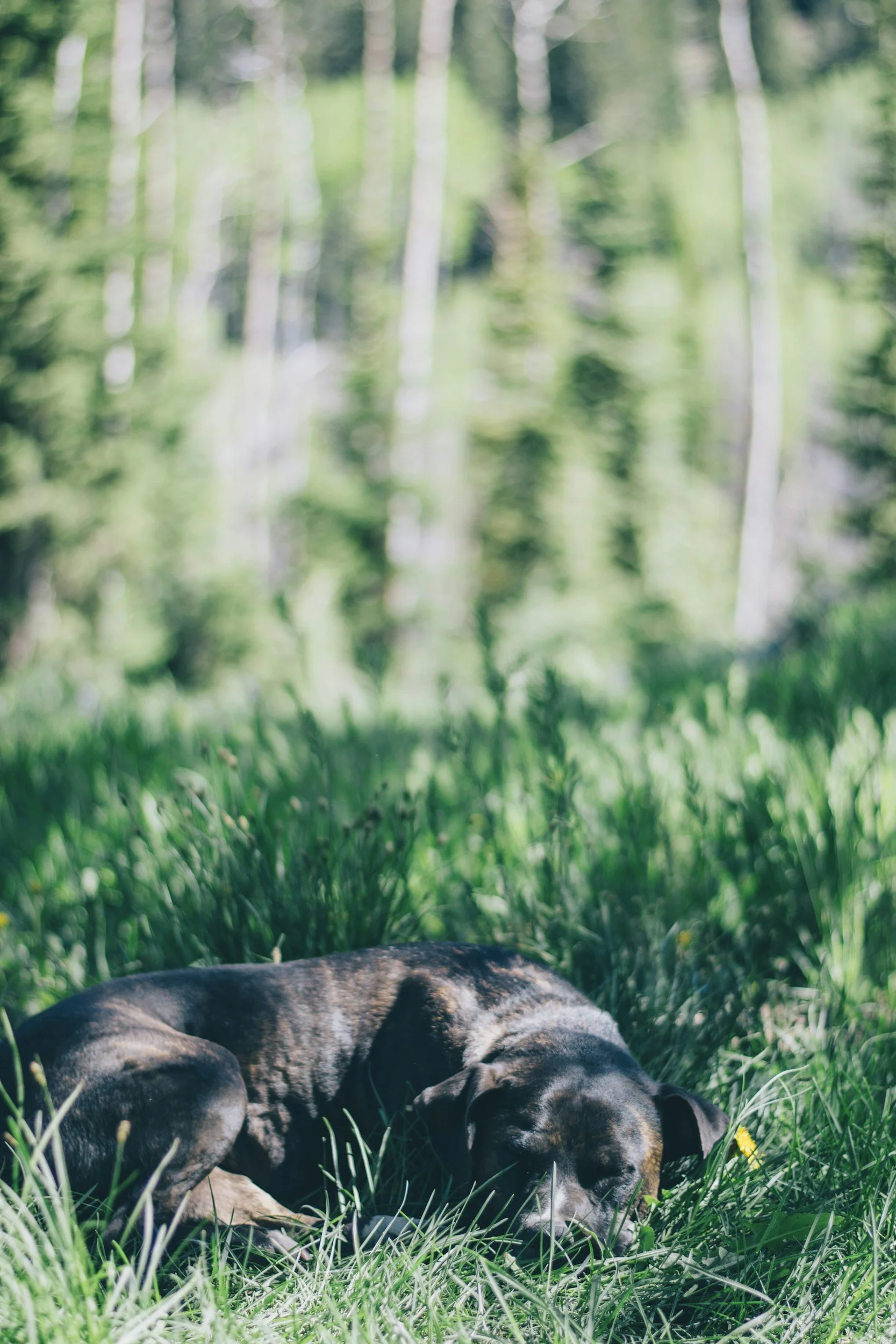
Be Extra Careful With Dogs
Camping with dogs during a heat wave requires extra planning.
Dogs can overheat quickly, and campgrounds often involve hot cars, sunny campsites, warm trails, pavement, rocks, and limited shade. Make sure your dog has constant access to shade and water, and avoid hiking or walking during the hottest part of the day.
Before bringing your dog on a heat wave camping trip, ask yourself honestly: will this be fun and safe for them?
If the answer is no, it may be kinder to choose a different weekend or make other arrangements.
Know the Signs of Heat Illness
Heat-related illness can become serious quickly, so everyone in your group should know the warning signs.
Signs of heat exhaustion can include heavy sweating, weakness, dizziness, headache, nausea, muscle cramps, irritability, thirst, and feeling faint.
If someone starts feeling this way, stop activity immediately. Move them to shade or a cooler place, loosen extra clothing, cool them with water or damp cloths, and have them sip water if they are able.
Heat stroke is a medical emergency. Warning signs can include confusion, slurred speech, loss of consciousness, seizures, very high body temperature, or hot skin. If you suspect heat stroke, call 911 immediately and cool the person while waiting for help.
When you’re camping, it is always better to take symptoms seriously early than to wait and hope they pass.
Have a Backup Plan
The best heat wave camping plan includes a backup plan.
That might mean:
Knowing where the nearest town is
Knowing where there is air conditioning nearby
Choosing a campground with showers or water access
Bringing extra shade
Packing more water and ice than usual
Planning a shorter hike or no hike at all
Being willing to leave early
Having a conversation with your group before the trip about what conditions would make you reschedule
This does not make you less adventurous. It makes you better prepared.
A lot of camping is about flexibility. Weather changes. Plans shift. Sometimes the smartest move is adjusting the weekend so everyone stays safe and has a better time.
When to Reschedule
Sometimes, camping in a heat wave is just not worth it. Consider rescheduling if:
The forecast includes dangerous heat advisories or warnings
The overnight lows are very warm and humid
Your campsite has little or no shade
You do not have reliable access to water
Your plans involve strenuous hiking or biking
You are camping with people who are more vulnerable to heat
You are bringing a dog and cannot keep them cool
Your group is already stressed, tired, or not feeling well
The trip should not feel like a survival challenge. Camping can be rugged, imperfect, and a little uncomfortable in the best ways. But extreme heat deserves respect. There will be other weekends.
What to Pack for Camping in a Heat Wave
Here are a few things that can make a hot-weather camping trip more manageable:
Extra drinking water
Lightweight sheet
Breathable clothing
Sunglasses
Sunscreen
Easy no-cook meals
Extra snacks
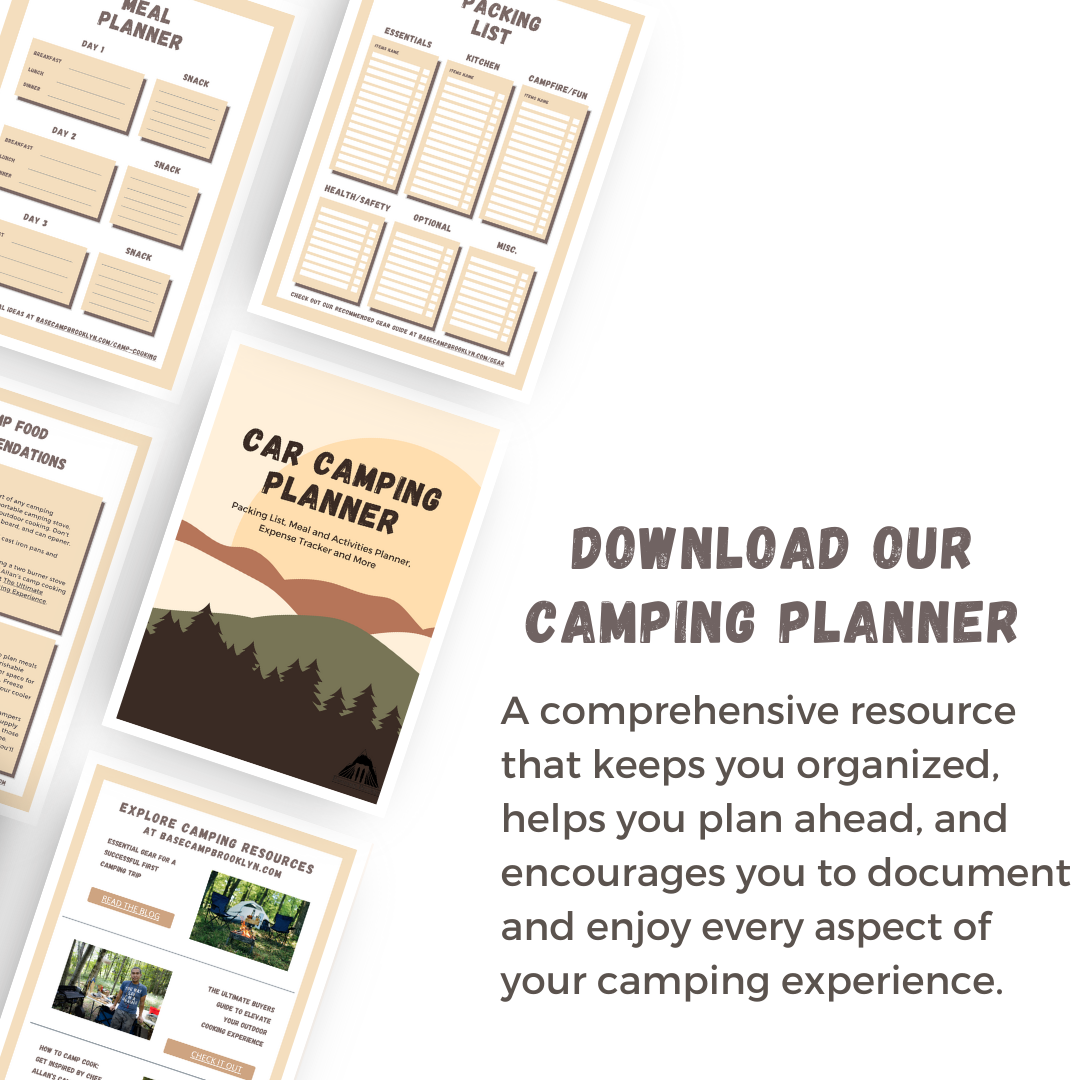
A printed or downloaded map of the area
A plan for where to go if you need air conditioning, ice, water, or help
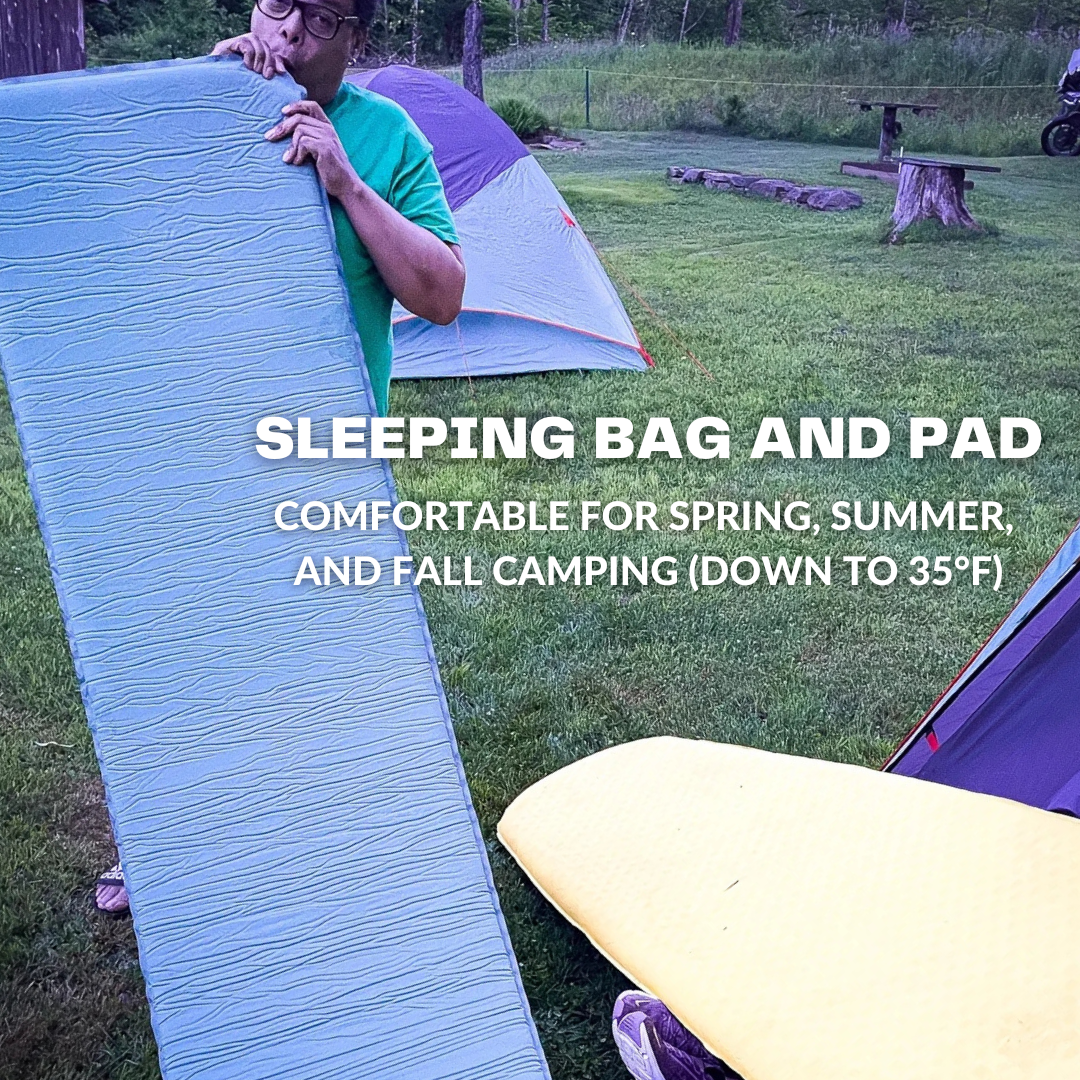
If you’re renting camping gear, we’ve got you covered for your tent, sleeping bag, and sleeping pad. But remember, these are only part of the setup. In extreme heat, shade, water, food, clothing, and timing matter just as much.


NYC’s Go-To Camping Gear Rental
Featured by New York Magazine + I LOVE NY
Ready for a weekend outside but don’t own all the gear? Rent clean, high-quality tents, sleeping bags, and sleeping pads with convenient pickup and return in Greenpoint, Brooklyn.
Perfect for first-time campers, music festivals, group trips, and anyone who wants to experience camping without buying and storing a full setup.
Perfect for Festivals, Group Trips, and City Campers
Our gear is lightweight, easy to carry, and simple to set up—whether you’re heading to a music festival, escaping to the Catskills, taking a road trip with friends, or trying camping for the first time.
Convenient Pickup & Drop-off:
Pickup Location: Bond Collective Building, 276 Greenpoint Avenue.
Pickup: Thursday
Drop-off: Monday
(Need a different time? Contact us before booking.)
Popular weekends book out fast—especially during music festival season. Don’t wait! Reserve ahead to guarantee your gear.
*Please email us for availability before booking for same day or next day pick up. (Oct2-4 may be all sold out. Please reach out before booking)

Camping During a Heat Wave Can Still Be Beautiful
A heat wave camping weekend may not be the weekend for a giant hike, a blazing midday fire, or an elaborate cooking plan.
But it can still be beautiful.
It can be slow mornings, creek dips, watermelon from the cooler, long shade breaks, early dinners, card games, fireflies, and falling asleep to summer night sounds with the tent windows open.
The trick is to let the weather shape the trip.
Plan less. Drink more water. Stay in the shade. Keep meals simple. Skip the midday hike. Watch out for each other. And be willing to reschedule if the conditions stop feeling safe.
Summer camping is supposed to help you feel more alive, not more depleted.
Respect the heat, adjust the plan, and you’ll give yourself the best chance of having the kind of weekend you actually wanted: outside, connected, and a little more free than when you left the city.