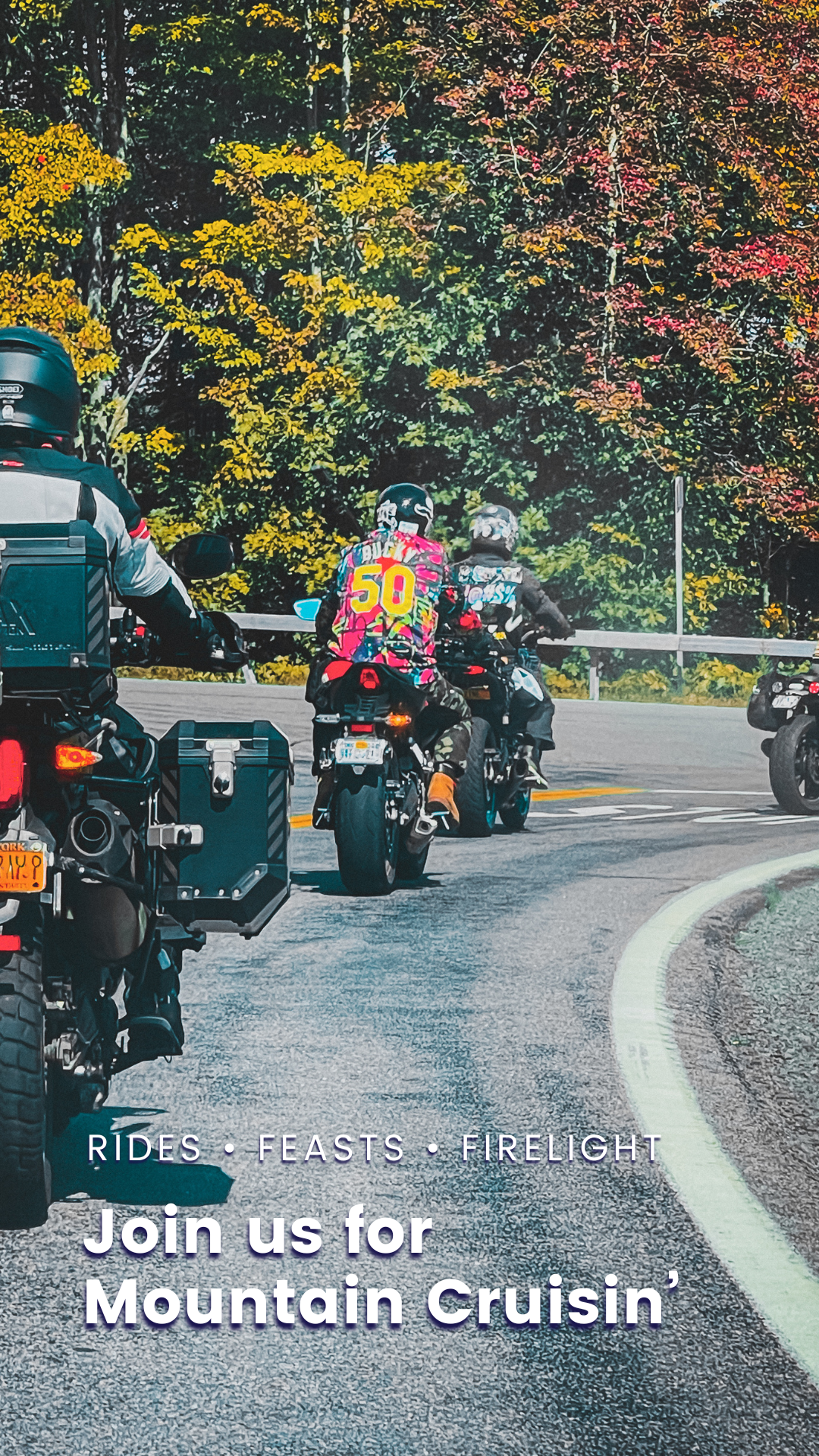

Ultimate Guide to Staying Warm While Camping in Fall
Fall camping near NYC is one of our favorite ways to stretch the season. The sticky summer heat disappears, the leaves start changing, campfires feel better, and cool mornings make that first cup of coffee especially satisfying.
And the best part? You probably don't need a completely different camping setup for fall.
For most September and October camping around the Catskills, Hudson Valley, Poconos, Adirondacks, and nearby New England, you can use much of the same gear you already use in summer. The biggest difference is paying closer attention to the overnight temperature, packing warmer layers, and making a few small changes to your routine.
We've camped through plenty of chilly Northeast nights, and staying comfortable usually comes down to a handful of simple things.

Wearing layers, including one with a hood, helps you easily adjust your body temperature as needed.
1. Dress in Layers
One of the easiest ways to stay comfortable in fall is to layer instead of relying on one heavy jacket.
Fall temperatures can change a lot over the course of a day. You might need a jacket first thing in the morning, peel down to a T-shirt while hiking in the afternoon, and reach for a fleece again as soon as the sun goes down.
A simple layering system works well:
Top and bottom moisture-wicking base layer: Something moisture-wicking next to your skin.
Insulating layer: Fleece, wool, down, or another warm layer.
Outer layer: A rain jacket or wind-resistant shell when the weather calls for it.
The trick is to add and remove layers before you get too hot or too cold.
Pro tip: Try not to get sweaty. Damp clothes can make you feel much colder once you stop moving.
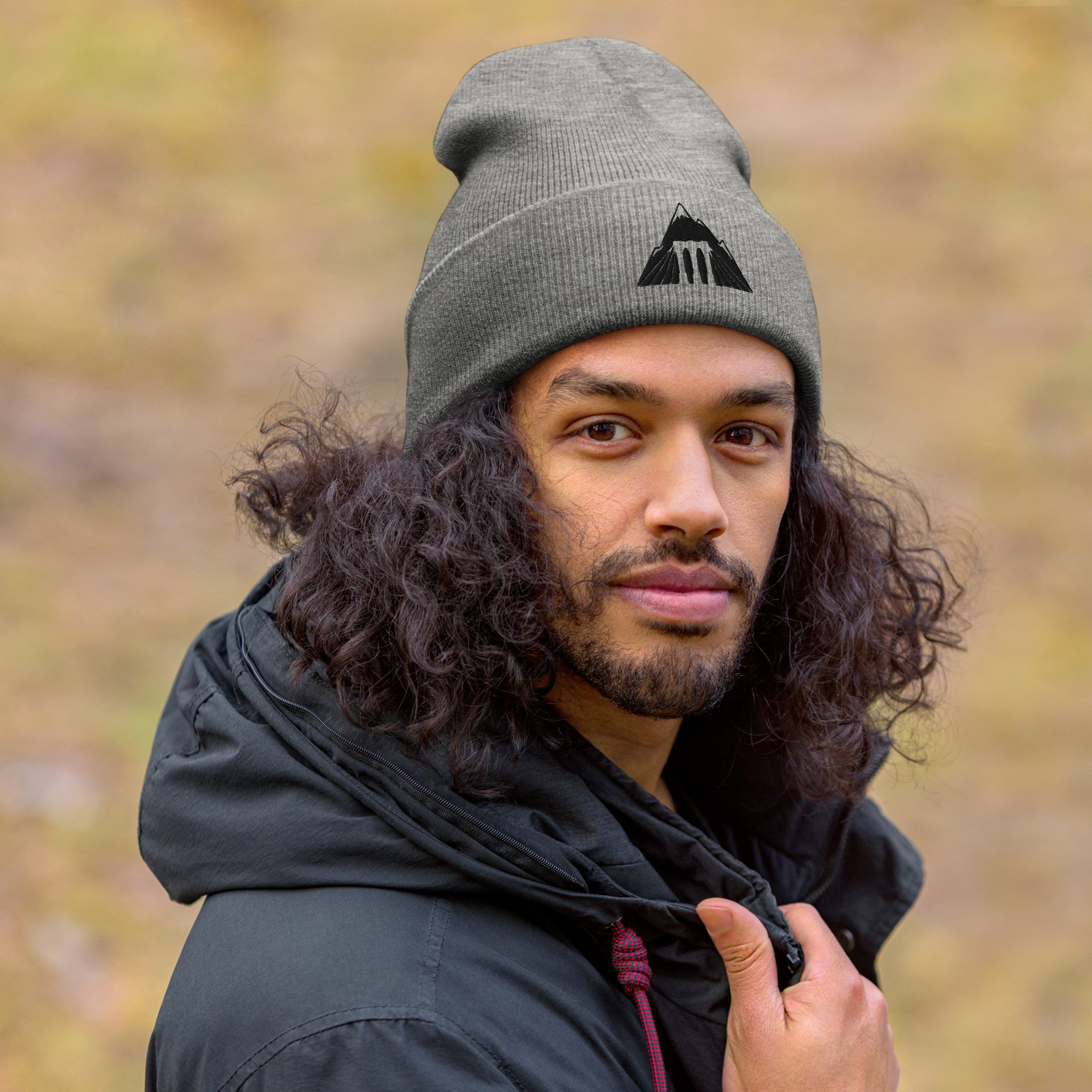
Keep warm while embracing the spirit of adventure with our snug, form-fitting Basecamp Brooklyn beanie.
Whether you're camping under the stars or exploring your favorite city park, this versatile head-warming piece is perfect for every adventure. Featuring a minimalist design, it’s a staple accessory for anyone who values connection with nature and the Basecamp Brooklyn community.
Crafted from 100% hypoallergenic Turbo Acrylic, our beanie is both soft and durable, making it ideal for outdoor explorers. With its unisex style and comfortable fit, it’s designed for all-season wear. Add this essential to your gear, knowing you’re supporting sustainable production practices with every order.
100% Turbo Acrylic
12″ (30 cm) in length
Hypoallergenic and soft
Unisex style for everyone
Hand washable for easy care
Sustainable and Thoughtfully Made:
Each Basecamp Brooklyn Beanie is made especially for you upon order, reducing overproduction and promoting sustainable choices. Thank you for supporting mindful manufacturing and joining us in our commitment to protecting the environment we love to explore.
Gear Up for Your Next Adventure:
Add the Basecamp Brooklyn Beanie to your gear collection and embrace the warmth, comfort, and community it brings to every experience.
2. Keep Your Head, Hands, and Feet Warm
A few small pieces of clothing can make a surprisingly big difference once temperatures drop.
We almost always want:
Warm socks
A beanie
Lightweight gloves
A scarf or neck gaiter if it's especially chilly
One of our favorite fall camping tricks is packing a pair of socks just for sleeping.
Keep them in your tent all day, put them on right before bed, and you won't have to crawl into your sleeping bag wearing socks that have been hiking around camp for twelve hours.
Pro tip: Wool or synthetic socks are better than cotton when cool or damp conditions are possible.
3.Change Into Dry Clothes Before Bed
This might be one of the simplest ways to make a chilly night more comfortable.
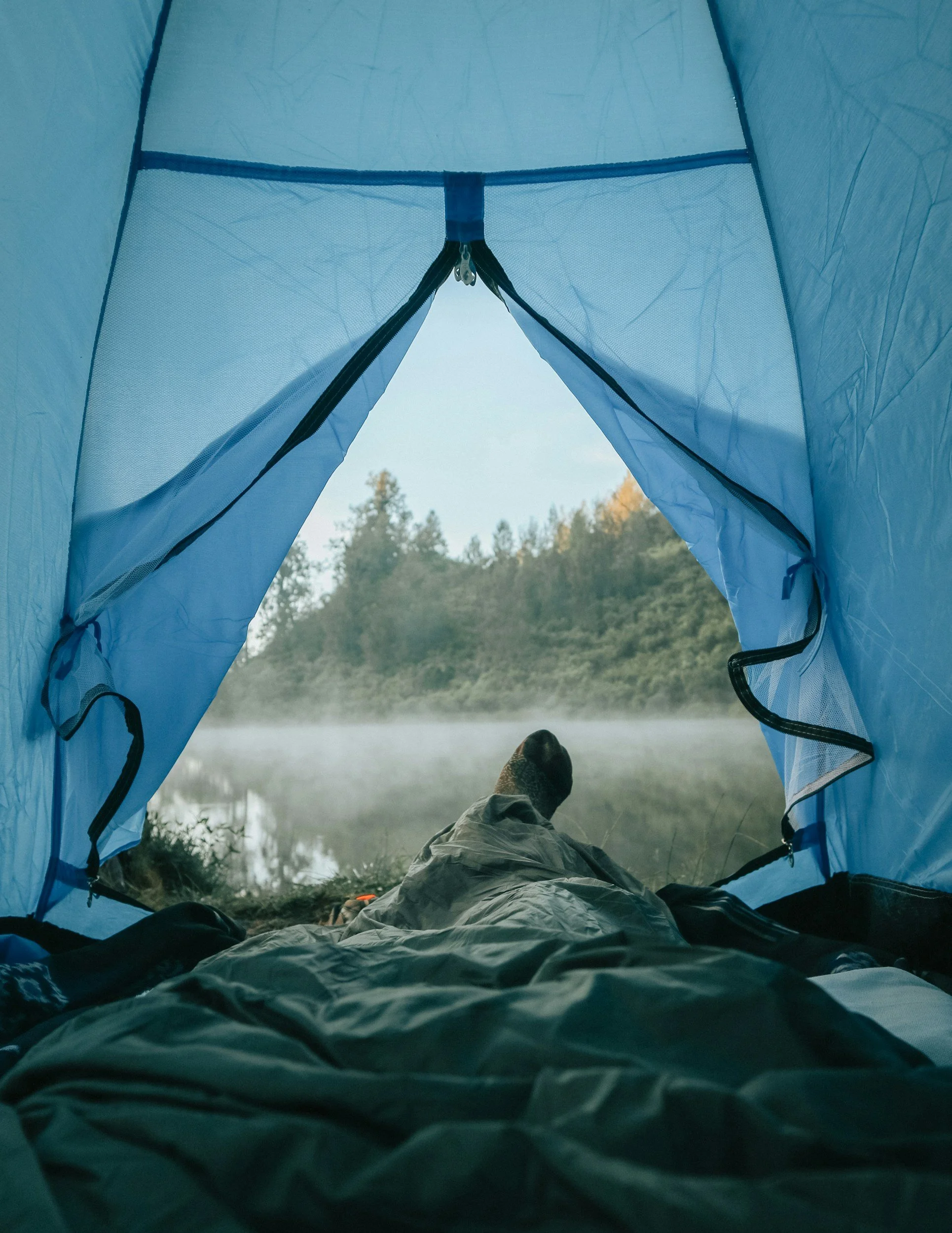
Don't automatically sleep in the clothes you've been wearing all day.
Even if they don't feel wet, they may still be holding onto sweat or moisture from hiking, setting up camp, cooking, or sitting around the fire.
Instead, keep a separate set of sleep clothes packed somewhere dry.
That could be:
Long underwear
A warm long-sleeve shirt
Dry socks
A fleece or hoodie
A beanie on colder nights
You don't need to pile on every layer you own. The important part is starting the night warm and dry.

4. Get the Campfire Going Before You're Cold
A campfire is one of the best parts of fall camping.
Once the sun starts going down, it also becomes one of the easiest ways to stay comfortable around camp.
Bring or buy enough firewood for the evening, keep it protected from rain, and have fire starters available so you're not fighting with damp wood after dark.
We also like starting the fire before everyone is already chilly.
Getting it established around sunset makes the whole transition from warm afternoon to cool evening feel a lot more pleasant.
And always follow the campground's current fire rules and restrictions.
Want to brush up on your fire-building skills? Check out our Campfire Guide.
5. Check the Rating on Your Sleeping Bag
You probably don't need to go buy a special sleeping bag just because summer is over, but you do want to know what the sleeping bag you already have is designed to handle. Check its temperature rating and compare that with the expected overnight low at your campground.
A 35°F sleeping bag can work well for most fall camping trips. If the forecast starts getting close to freezing—or you know you tend to sleep cold—you'll want to make sure you have enough comfortable layers for sleeping.
A few simple things can help your bag work better:
Keep it dry.
Shake it out before bed so the insulation can regain its loft.
Use the hood if it has one or wear a beanie and neck gaiter.
Wrap up in a blanket, inside your sleeping bag, if you need a little extra warmth.
Pro tip: Check the overnight low, not just the daytime temperature. A sunny 65-degree fall afternoon can turn into a much colder night.

6. Don't Forget Your Sleeping Pad
Your sleeping pad isn't only there to make the ground softer. It also helps insulate you from the cold ground underneath you.
When you lie on your sleeping bag, the insulation beneath your body gets compressed and becomes less effective. That's why the pad underneath you matters.
Your sleeping pad’s R-value tells you how much insulation they provide. Higher R-values mean more resistance to heat loss.
If you already have an insulated sleeping pad that works well for your normal camping setup, you may be perfectly fine using it through much of the fall.
For reference, the insulated pads we use in our Basecamp Brooklyn rental setup have an R-value of 4.3.
Pro tip: Cooler nighttime temperatures can make the air inside an inflatable sleeping pad contract. Give it a quick check before bed and add a little air if needed so your hips and shoulders stay lifted off the cold ground overnight.
7. Eat Something Warm
Cold weather is an excellent excuse to make a real camping dinner.
A warm meal feels especially good after a day outside, and your body needs energy to keep itself warm.
Fall camping favorites might include:
Soup or stew
Pasta
Curry
Grilled sausages
Loaded baked potatoes
Then bring out the tea, cocoa, cider, or another warm drink while you're sitting around the fire.
You don't need to eat a giant meal right before bed, but going to sleep hungry usually doesn't make a chilly night feel any better.
Pro tip: If you eat dinner early, bring an easy snack for later in the evening.
8. Warm Yourself Up Before Getting Into Bed
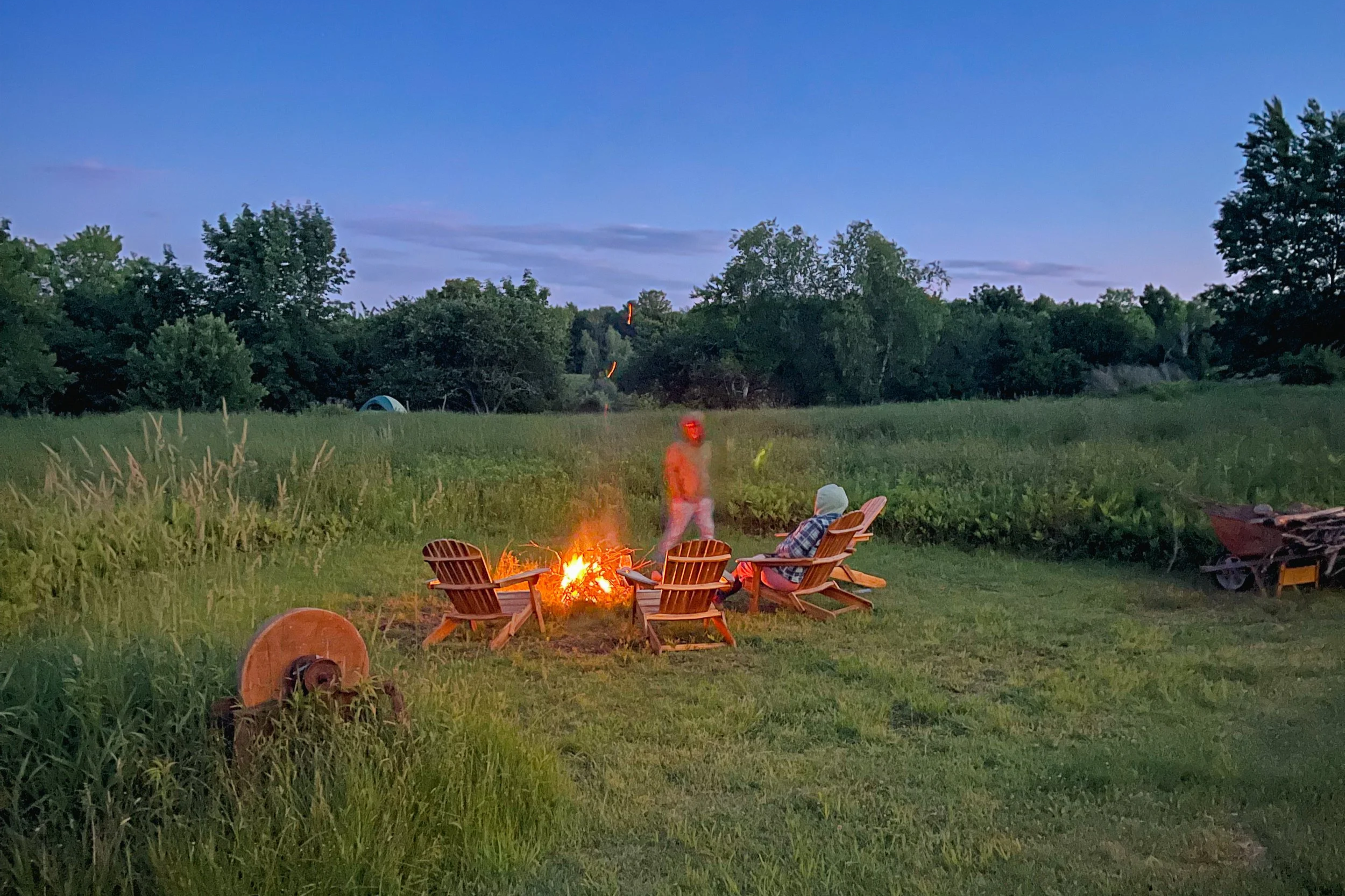
Your sleeping bag doesn't create heat on its own. It traps the heat your body is already producing.
That means crawling into your sleeping bag when you're already freezing can make it take much longer to feel comfortable.
Before bed, do a little light movement. Walk around camp. Organize your gear. Do a few gentle squats. The goal is simply to warm yourself up a little—not to work up a sweat.
Believe it or not, one of our best tips is to pee before you get into your sleeping bag. It’s tempting to skip the bathroom once you’re warm by the fire, but a full bladder means your body has more work to do maintaining its temperature. More importantly, you won’t have to crawl out of your warm sleeping bag an hour later when you inevitably realize you really do have to go.
Pro tip: If you’re sitting around the campfire feeling chilly and also realize you need to pee, go now. Tha't’s likely contributing to your perceived temperature drop.


• 100% polyester fleece on one side
• 100% polyester sherpa on the other side
• 50″ × 60″ (127.0 cm × 152.4 cm)
9. Pack Extra Blankets
An extra blanket or two can go a long way in keeping you warm. Wool or fleece blankets are perfect for layering on top of your sleeping bag or using as ground insulation to help trap warmth.
Pro tip: Keep one of your blankets inside your sleeping bag with you at night. In the morning, wrap it around yourself as you get out of bed to help stave off the cold morning air while you make your hot cup of coffee—starting your day snug and warm!
10. Choose the Right Tent Site
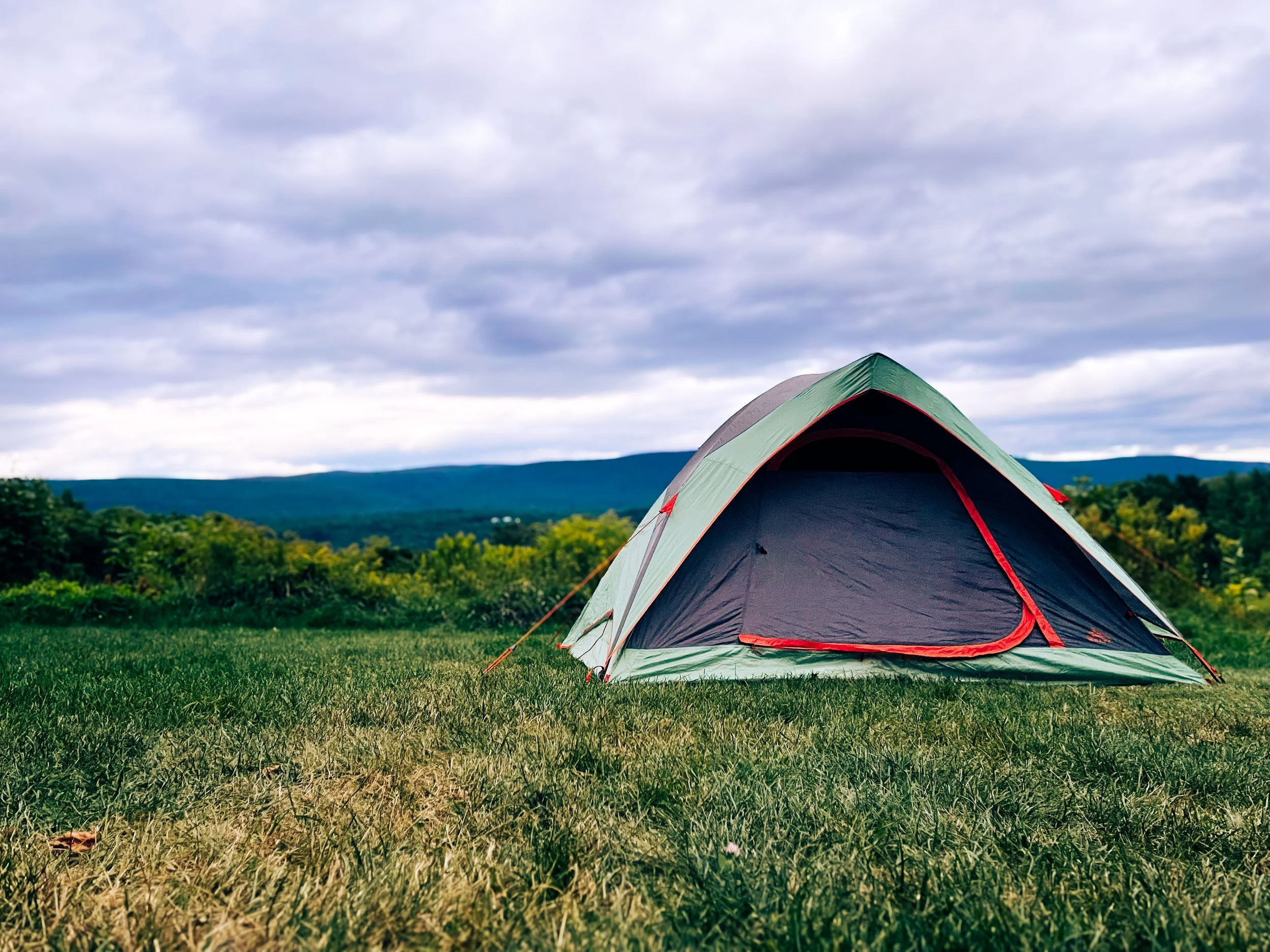
Where you pitch your tent is just as important as what you bring to stay warm. Choose a site with natural wind protection, like a stand of trees or a large rock. Additionally, look for a spot that gets plenty of sunshine, as this will help warm up your tent in the morning, making it more inviting when you wake up.
Pro tip: If it’s windy, position your tent so the smallest side faces into the wind to reduce drafts while still maximizing sun exposure during the day.
11. Keep Your Sleeping Gear Dry
Cold is manageable. Cold and wet is much harder.
Keep wet shoes and clothing away from your sleeping bag. Protect your bedding while setting up if it's raining. And try not to let your sleeping bag stay pressed against damp tent walls overnight.
Storing gear like backpacks, shoes, and clothing inside your tent can also help prevent them from getting too cold or damp overnight. It also helps retain a little extra warmth in the tent.
Pro tip: If you're setting up camp in the rain, keep your sleeping bag packed until the tent is up and you have somewhere dry to put it.
12. Make the Morning Easier
One of the coldest-feeling parts of fall camping can be the moment you have to leave your sleeping bag in the morning.
Do your future self a favor before bed.
Put your warm clothes somewhere easy to reach. Know where your shoes are. Keep your jacket nearby. Get your coffee supplies together.
That way you can get dressed, get outside, and get something hot in your hands without spending ten minutes crawling around a cold tent looking for everything.
Those crisp fall mornings feel much better once the coffee is going.
Do You Need Special Gear for Fall Camping?
Usually, no.
For many typical September to mid-October trips, your regular camping setup can work perfectly well.
The main thing is to make sure the forecast is appropriate for the gear you already have.
If your sleeping bag and sleeping pad are suitable for the expected overnight temperatures, you may only need to add:
Warmer clothing
Dry sleeping layers
A hat and gloves
An extra blanket
Warm food and beverages
Once temperatures start dropping below freezing, you'll want to think more carefully about whether your gear is designed for those conditions.
That's when you're starting to move from a crisp fall camping weekend into actual cold-weather camping.
And there's nothing wrong with deciding a particular forecast is colder than you want to deal with. Camping is supposed to be fun.
One Important Safety Reminder:
Never use a camp stove, charcoal grill, fire pit, or other fuel-burning appliance inside your tent to try to warm it up.
Besides the fire danger, burning fuel in an enclosed space can expose you to dangerous carbon monoxide.
Your tent doesn't need to feel warm like your bedroom at home.
Focus on keeping your body warm with dry layers, your sleeping bag, and insulation underneath you.
Planning a Fall Camping Trip Near NYC?
Fall camping doesn't have to be complicated.
Once you know what the temperature is going to do after dark, it's usually just a matter of making a few small adjustments to the camping routine you already have. If you're trying to squeeze a few more weekends out of camping season, these guides can help:
Why Fall Is the Best Time to Go Camping Near NYC
Why we think camping actually gets better once summer starts winding down.
Where to Go Camping Near NYC This Fall
Our favorite destinations for foliage, cool-weather hikes, and campfire nights.
Best Fall Foliage Road Trips from NYC
Combine your camping trip with some epic leaf peeping, using our favorite routes in the Catskills and beyond.
And if you don't already own the gear you need, we’ve got you covered with tents, sleeping bags, and insulated sleeping pad rentals for pickup in Greenpoint.
Rent Camping Gear in NYC →
Keep Exploring